According to Fire and Rescue NSW, more than 40% of house fires in Australia are caused by electrical faults and failures.
Many of these incidents are preventable and often start with minor warning signs that homeowners overlook.
Let’s explore five frequent electrical issues found in Australian homes and when it’s time to call a licensed electrician.
Flickering or Dimming Lights
Lights that flicker or dim sporadically can indicate a deeper issue within your home’s electrical system.
Root Causes:
- Loose or corroded wiring connections
- Voltage fluctuations
- Overloaded circuits
- Failing light switches or fixtures
If flickering affects multiple lights or continues after changing a bulb, professional inspection is necessary to check for unsafe wiring or circuit load issues.
Frequently Tripping Circuit Breakers
Description: Circuit breakers are designed to protect your system from overload. If they trip often, it’s a sign that something is drawing too much power or causing a fault.
Root Causes:
- Overloaded circuits
- Short circuits
- Faulty appliances
- Ground faults
When to Call an Electrician: Persistent tripping suggests a deeper issue that needs diagnosis, particularly if it occurs without a clear cause.
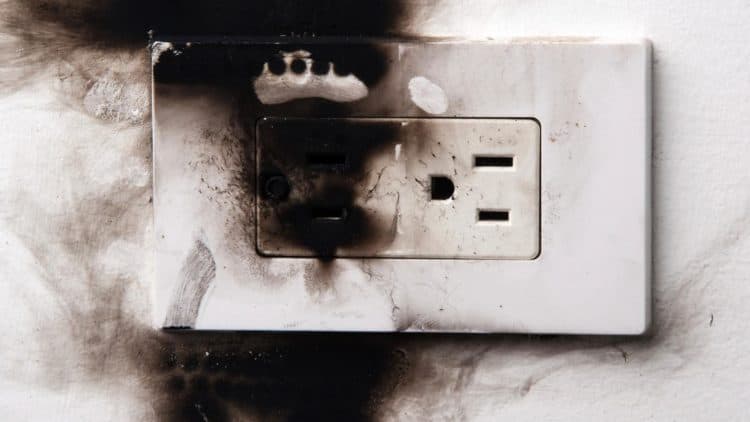
Warm or Discoloured Power Outlets
Description: If your outlets feel warm to the touch or show signs of browning or melting, it could indicate overheating due to unsafe wiring.
Root Causes:
- Loose wire connections
- Overloaded power outlets
- Defective or low-quality outlets
- Improper installation
When to Call an Electrician: This issue should be treated as urgent, as it could lead to electrical fires.
Buzzing Sounds from Switches or Outlets
Buzzing or humming noises coming from light switches or power outlets are a sign of internal faults or failing components.
Root Causes:
- Loose wiring
- Arcing electrical current
- Failing dimmer switches or outlets
- Worn electrical components
When to Call an Electrician: Any audible electrical noise should be inspected by a professional to avoid serious hazards.
Power Outlets Not Working
If one or more outlets stop working and the circuit breaker hasn’t tripped, the issue may lie within the wiring or the outlet itself.
Root Causes:
- Tripped or faulty GFCI outlets
- Internal wire damage
- Aged or broken outlet components
- Rodent interference in walls
When to Call an Electrician: If the outlet doesn’t restore power after resetting the GFCI or checking the breaker, it’s time for a licensed electrician to investigate further.
Steps to Take Before Your Electrician Arrives
A well-documented issue provides valuable context for your electrician and demonstrates responsible action. This can speed up diagnosis and also show that you’re not attempting unauthorised work.
What to Do:
- Record the date and time you first noticed the issue.
- Describe the symptoms clearly (e.g. outlet sparking, switch buzzing, appliance tripping the breaker)
- Note patterns, like time of day, appliance use, or weather conditions when the fault occurs.
- Take photos of visible signs like burn marks, loose wires, or damaged sockets.
Under Australian regulations, any electrical wiring work that does not comply with wiring rules is an offence. This includes DIY modifications or even reconnecting appliances without following approved standards.
As outlined in the legislation:
- Connecting a new electrical installation without it being inspected, tested, and passed by an authorised inspector is illegal and carries penalties of up to 50 penalty units or 6 months’ imprisonment.
- Electrical work is only exempt from licensing if it involves disconnecting or reconnecting an appliance without changing the load.
So, rather than attempting to fix or adjust the issue yourself, your responsibility as a homeowner is to observe, document, and report what’s going wrong. This helps ensure that any repair complies with the Electrical Wiring Rules and avoids legal or safety risks.
Strong Foundations Start with Electrical Safety
When your home’s power works as it should, everything else falls into place. Behind every functional home is an electrical system built on safety and performance. But this reliability starts with professional care. Proper inspections by licensed electricians ensure that your system meets safety standards, functions efficiently, and avoids costly or dangerous faults.
Connect with Homeowners Searching for Trusted Electrical Services
List your electrical business where Australians actively search for qualified local electricians. Business In Focus connects you with real customers who are ready to book electrical services. If your business is built on safety, reliability, and expert workmanship, apply today to get discovered by homeowners who need licensed electricians in your area.
Frequently Asked Questions
Why do I get a shock or tingle when touching a switch?
A shock or tingling sensation when touching a switch is caused by a faulty earth connection in your system. It may also result from damaged or deteriorated wiring hidden behind the switch, or a leaking current from an improperly grounded appliance. Water ingress near switches can also create unsafe conditions that increase the risk of electric shock.
Do I need a safety switch (RCD) in my home?
Yes, safety switches (RCDs) are a legal requirement in Australian homes. RCD stands for Residual Current Device, and it protects people from electric shock by cutting power in milliseconds if a fault or current leakage is detected.
Is it normal for outlets to feel warm?
No, power outlets should never feel warm or hot to the touch during normal use. Possible causes include:
- Loose wiring or terminals behind the outlet
- Overloaded circuits, especially when using high-wattage appliances like heaters or dryers
- Old or deteriorated outlets that need replacing
- Arcing or resistance buildup, which can increase fire risk over time
Heat buildup at outlets can lead to melted insulation, electrical fires, or damage to connected devices.