If you’re planning a hot water system installation, the final cost depends on the system size, property setup, and labour required. Brisbane homeowners also need to consider the type of unit, household water use, and any extra work needed to remove the old system. These details can change the price, especially when plumbing, electrical, or access issues are involved.
Understanding these cost factors helps you compare systems more clearly. Once you know what affects supply, labour, and installation pricing, it becomes easier to choose a setup that suits your home, budget, and long-term running costs.
Hot Water System Installation Requirements
Different homes across Brisbane have different plumbing layouts, energy connections, and installation access conditions. Some systems fit directly into the existing setup, while others require extra preparation before the replacement can move forward properly.
Licensed tradies assess:
- Current pipework and valve condition
- Electrical or gas supply connections
- System location and access restrictions
- Household water usage requirements
- Safety and compliance requirements
Checking these areas before installation helps identify potential issues early and gives homeowners a clearer view of the work needed before the system goes in.
Cost Differences Between Hot Water Systems
The type of hot water system you choose has the biggest impact on the final installation cost. Electric, gas, and heat pump systems all come with different upfront prices, installation requirements, and long-term running costs. Some systems cost less to install initially, while others reduce energy use over time.
Electric storage – $650 –$2,500 (AUD)
Gas storage -$1,000–$7000 (AUD)
Heat pump– $2,200–$6,800 (AUD)
Check how much hot water your household uses during peak times, then compare the system’s running costs before choosing. A cheaper unit can cost more over time if it struggles to keep up with daily demand.
Labour and Installation Considerations
Labour costs depend on how much work is needed beyond removing the old system and fitting the replacement. A like-for-like swap is cheaper when the plumber can reuse existing compliant connections. Costs rise when the property setup needs changes before the new system can run safely.
Common installation add-ons include:
- Moving the unit
- New pipework
- Drainage changes
- Electrical circuit upgrades
- Safety valve replacement
These add-ons take more time, more materials, and sometimes another licensed trade. Older Brisbane homes can also need switchboard upgrades before a modern electric unit or heat pump can be installed.
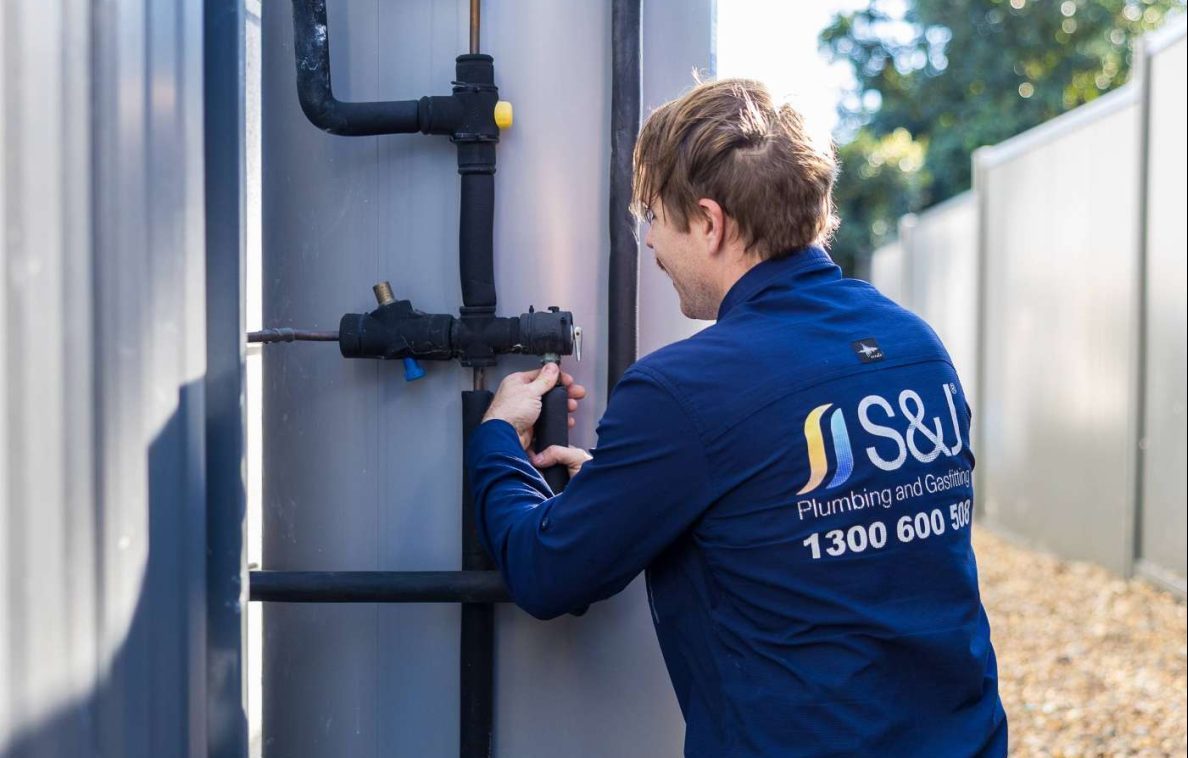
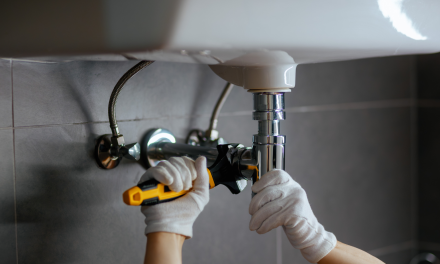
SJ Hot Water Plumbers replacing a worn hot water unit with a newer energy-efficient system. Image: SJ Hot Water Brisbane
Choosing the Right Size for Your Household
Selecting the correct hot water system size helps your household avoid running out of hot water during peak use. A system that is too small can leave the last person with a cold shower, while a system that is too large can increase running costs by heating more water than the household needs.
| Suitable Household Type | Electric Storage | Gas Continuous Flow | Heat Pump |
| Smaller households and compact homes | 125 L | 16L per minute | 150L–200L |
| Medium households with regular daily use | 160L-250L | 20L–24L per minute | 200L–270L |
| Family homes with higher hot water demand | 250L-315L | 26L per minute | 270L–315L |
Household habits matter as much as the number of people in the home. A family using showers, washing machines, and dishwashers at the same time needs more capacity than a household with lighter, staggered use.
Extra Costs Beyond the Installation Price
Brisbane homeowners also need to account for compliance paperwork, old unit removal, and access issues around the property. These items can add extra labour or small admin costs to the final installation price.
Confirm these charges before installation:
- Old tank removal
- Disposal fees
- Tight access charges
- Extra handling time
These costs are easier to manage when they are listed clearly in the quote. Ask what is included before installation starts so you know if disposal, access, and compliance paperwork are already covered.
Signs Your Hot Water Unit Is Wearing Out
Most hot water systems show warning signs before they stop working completely. Paying attention to these changes early can help you avoid emergency breakdowns, water damage, and rushed replacement decisions.
Common signs include:
- Hot water running out faster than normal
- Rust-coloured water coming from taps
- Leaks or pooling water around the unit
- Unusual banging or rumbling noises
- Rising electricity or gas bills
- Inconsistent water temperature
- Weak hot water pressure
Older systems also become less efficient over time, especially when sediment builds up inside the tank or worn components struggle to keep up with daily household demand. Replacing the system earlier gives you more time to compare installation costs, and avoid the pressure of a complete hot water failure.
Avoiding Expensive Hot Water Installation Mistakes
Most costly installation mistakes happen when homeowners focus only on the unit price. The final cost also depends on the condition of the existing plumbing or electrical setup.
Before approving the job, confirm:
- System type and capacity
- Installation location
- Plumbing connection condition
- Electrical or gas connection needs
- Drainage requirements
- Access restrictions
- Disposal fees
- Compliance paperwork
A properly planned installation reduces surprises on the final invoice. It also helps you choose a hot water system that fits the property, meets household demand, and avoids unnecessary changes after installation.