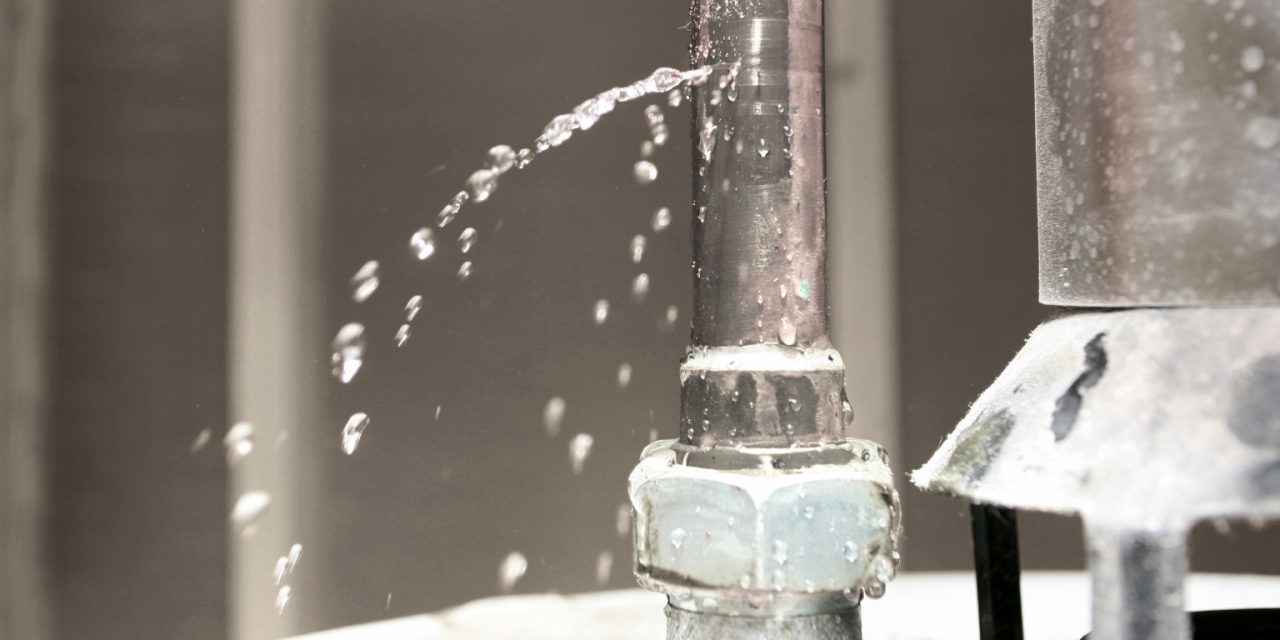
Do you tend to ignore small leaks at home because they don’t seem like a big deal?
It is common for homeowners to view minor issues as inconveniences that can wait for a more convenient time to address. This delay stems from the assumption that a small amount of water cannot do much damage in the short term, especially when compared to the perceived hassle of arranging a professional repair.
However, your home is a network of interconnected systems, and water is a persistent agent of change. A leak is a symptom of a failing component that operates under constant pressure.
It might not feel urgent right now, but the longer you leave it, the more moisture works its way into your home. Changing your perspective on small leaks is the first step in protecting the long-term health and safety of your property.
Why Small Leaks Are a Serious Issue for Australian Homeowners
In many parts of Australia, reactive clay soil expands and shrinks with the seasons, which can slowly affect your home’s foundation. A minor leak might not seem urgent, but local conditions can speed up how quickly moisture damages building materials, turning a damp patch into a bigger issue. Many Australian homes are built with materials and structures that are more sensitive to moisture, including:
- Slab-on-ground foundations
- Timber flooring
- Subfloor areas
- Structural timber
Fixing a leak right away helps protect your property from the environmental pressures common across Australia. Below are the hidden dangers that can develop when small leaks are left unattended.
#1. Accelerated Structural Damage
Your home’s structure depends on the dry strength of timber beams and drywall panels. When a leak introduces moisture to these areas, the wood fibers begin to swell and lose their load-bearing capacity. Over time, this leads to dry rot, which can:
- Weaken timber supports and reduce their load-bearing capacity
- Create spongy floors in affected areas
- Lead to sagging ceilings and wall deformation
- Compromise structural stability if left untreated
By the time you notice visible signs, the damage may already require major repairs or full material replacement.
#2. Mould Growth and Contamination
Moisture trapped behind walls or under cabinets creates the perfect environment for mould to grow. In some cases, mould can start forming within 48 hours on a damp surface. Once it spreads, mould releases particles into the air that can travel through your home’s ventilation system and reach every room.
This can affect your indoor air quality and lead to ongoing issues like breathing discomfort, allergies, and eye irritation, even before you can see any visible signs.
#3. Decreased Property Value
Plumbing is a primary focus during professional building inspection. Active leaks or evidence of past water damage serve as major red flags for potential buyers and mortgage lenders. Failing to maintain these systems can lead to a significant loss of equity during sale.
Experts in the field frequently witness this outcome. For instance, plumbers from Gold Coast Plumbing and Hot Water say, “A small leak today can become a major liability during a home sale, resulting in a much lower valuation or a failed inspection.”
#4. Increased Water Consumption Costs
Wasted water is wasted money that reflects directly on your monthly utility bill. A faucet that drips once per second can waste over 3,000 gallons of water in a year. If the leak is coming from a hot water line, the cost increases even more because your water heater keeps working to replace the lost heat.
These extra costs build up quietly and put unnecessary pressure on your household budget, all from a problem that could have been fixed early.
#5. Electrical System Damage
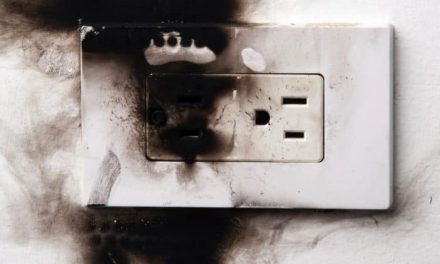
Water naturally follows the easiest path, often running along metal pipes and reaching electrical wiring, outlets, or light fixtures. This creates a serious, such as:
- Short circuits
- Damaged wiring
- Fire hazards
- Power outages in affected areas
- Corrosion of electrical components
- Failure of switches and outlets
If you notice flickering lights or circuit breakers tripping without a clear reason, a hidden leak may be affecting your electrical system. This creates a dangerous situation that needs immediate attention.
#6. Pest Infestation Risk
Cockroaches, silverfish, and termites require a consistent water source to survive . A small leak provides the perfect hydration station for these pests, encouraging them to set up permanent colonies inside your walls.
Termites are particularly attracted to damp wood caused by slow leaks. Addressing your plumbing issue is a necessary step in pest control, as a dry home is far less attractive to wood-destroying organisms.
#7. Foundation Movement and Cracking
When a leak happens under your home or within a concrete slab, it soaks the soil that supports the structure. This can cause the ground to expand or wash away, leading to foundation movement.
Common signs include:
- Cracks in exterior walls or brickwork
- Doors that no longer close properly
- Floor tiles lifting
Foundation repairs are among the most expensive issues a homeowner can face, and they can start from a single leak that was left unresolved.
#8. Sudden Pipe Failure Risk
A leak is an indicator that a specific point in your plumbing system has been compromised by corrosion, high pressure, or physical wear. Because the system remains under constant tension, that weak spot is a prime candidate for a total blowout.
When a pipe bursts, it can release a large amount of water within minutes. This can quickly damage your walls, ceilings, and cabinetry, turning a small repair into a major cleanup and restoration job.
Maintenance Checklist for Leak Prevention
You can use this checklist every few months to identify potential red flags in your kitchen, bathroom, and outdoor areas. Regular inspections allow you to catch issues while they are still affordable to fix, preventing damage that leads to mould and rot.
✔ Check under sinks for damp spots or musty smells
✔ Turn off all taps and watch the water meter for movement
✔ Inspect the base of your hot water tank for leaks or dripping
✔ Turn on outdoor taps and check for water spraying from the handle
✔ Look for bubbling paint or yellow stains on walls
✔ Watch for sudden drops in water pressure
Following these steps twice a year helps you stay ahead of plumbing wear and tear.
Keep Your Plumbing in Good Shape Long Term
Taking care of a small leak today is one of the most effective ways to protect your property and your budget. While it’s tempting to put off minor repairs, proactive maintenance costs less than dealing with mould removal or structural timber replacement. By staying alert to changes in your water bill and checking your cabinets regularly, you can stop damage before it spreads. Keeping your home dry and functional is an ongoing effort that supports long-term property value.